
I have been running for 3 years now, but after my most recent race, I started thinking. When I see others run, why does it look so much more effortless compared to how I feel (struggling & out of breath)? That’s when I found out about running in zone 2.
What I thought I was doing wrong
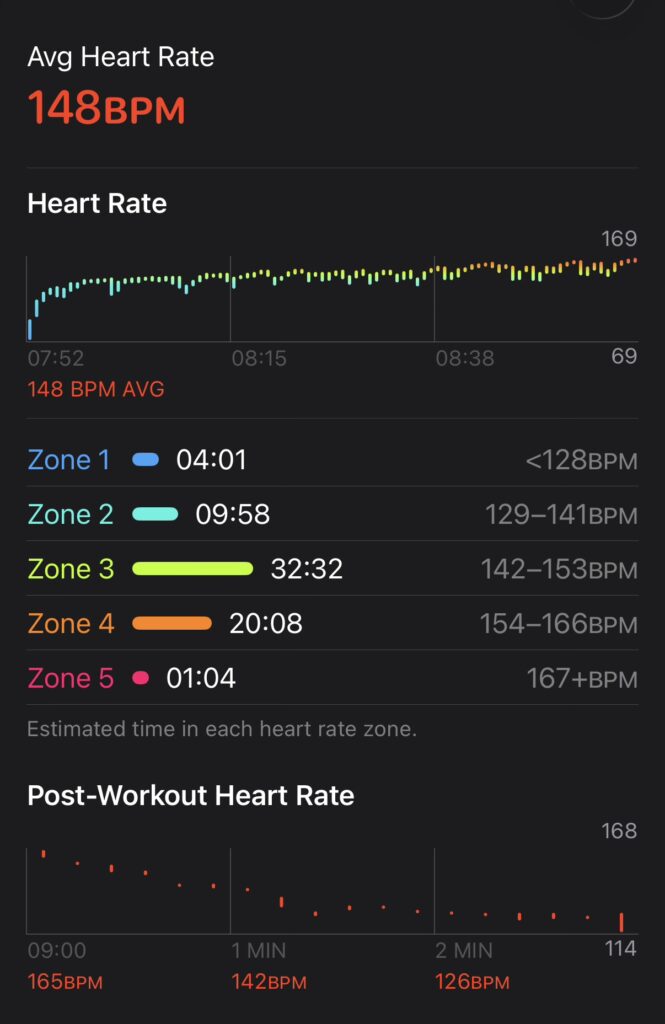
Having never been trained formally, I assumed that running at a faster pace always produced better results. So I was basically running the hardest I could, in every run, every week. As you can see from a typical run below, most of my runs were in Zones 4 and 5.


As I found out with some research, running in zones 4 & 5 is sub-optimal for training purposes, because of the below reasons:
- Aerobic stagnation: High intensity relies on glycogen and limits mitochondrial and capillary growth. Endurance stops improving.
- Excess fatigue: Elevated cortisol and sympathetic tone increase resting heart rate and slow recovery.
- Overtraining risk: Sleep disruption, low motivation, and injury risk rise.
- Reduced efficiency: You burn glycogen rapidly, so you gas out sooner at any pace.
- Cardiac strain: Constant high heart rate thickens heart walls instead of enlarging chamber volume—less efficient pumping long term.
Also, my running performance had more or less plateaued. It was time for a change.
Running in Zone 2
In the beginning, I found it incredibly difficult to keep my runs in Zone 2. I would consciously run slower, but as soon as I stopped paying attention, I would go back to running faster. For the first few days, I would even struggle to decide how my feet hit the ground.

Zone tracking on the watch helped a lot. But what helped me the most was consciously limiting myself to breathing only through my nose and not opening my mouth at all while running.
Within a few days, running started to feel so much more easier, I increased my daily runs from 4.8k to 6k.
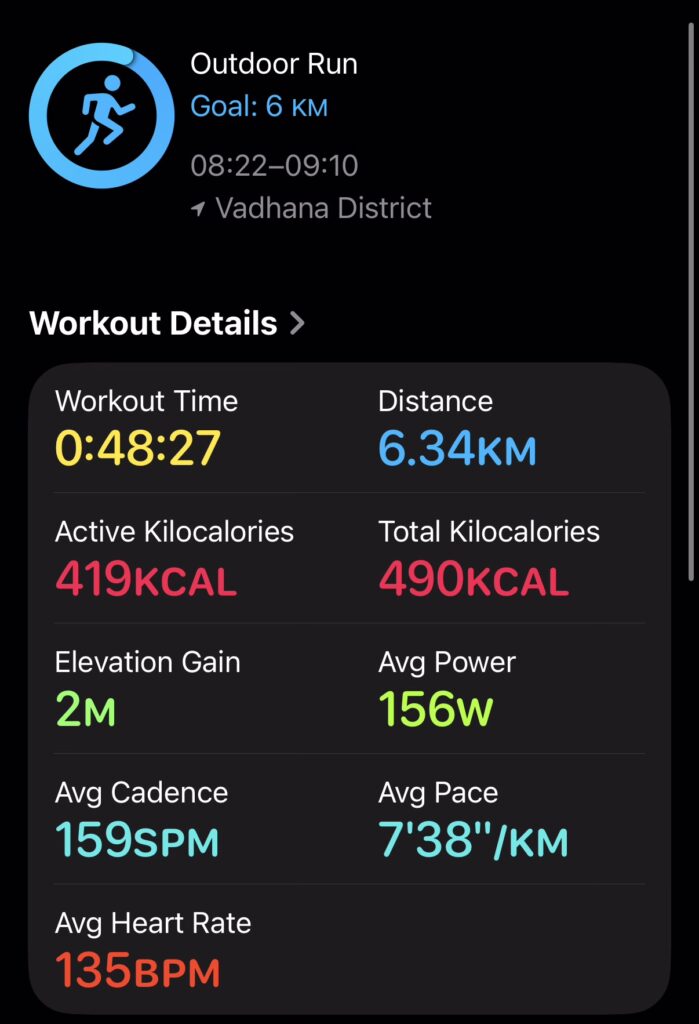

| Day | Distance | Target HR Zone | Distance | Target HR Zone |
|---|---|---|---|---|
| Tuesday | 4.8k | Zone 4-5 | 6k | Zone 2 |
| Thursday | 4.8k | Zone 4-5 | 6k | Zone 4-5 |
| Saturday | 4.8k | Zone 4-5 | 6k | Zone 2 |
| Sunday | 4.8k | Zone 4-5 | 10k | Free |
| Before | 19.2k | After | 28k |

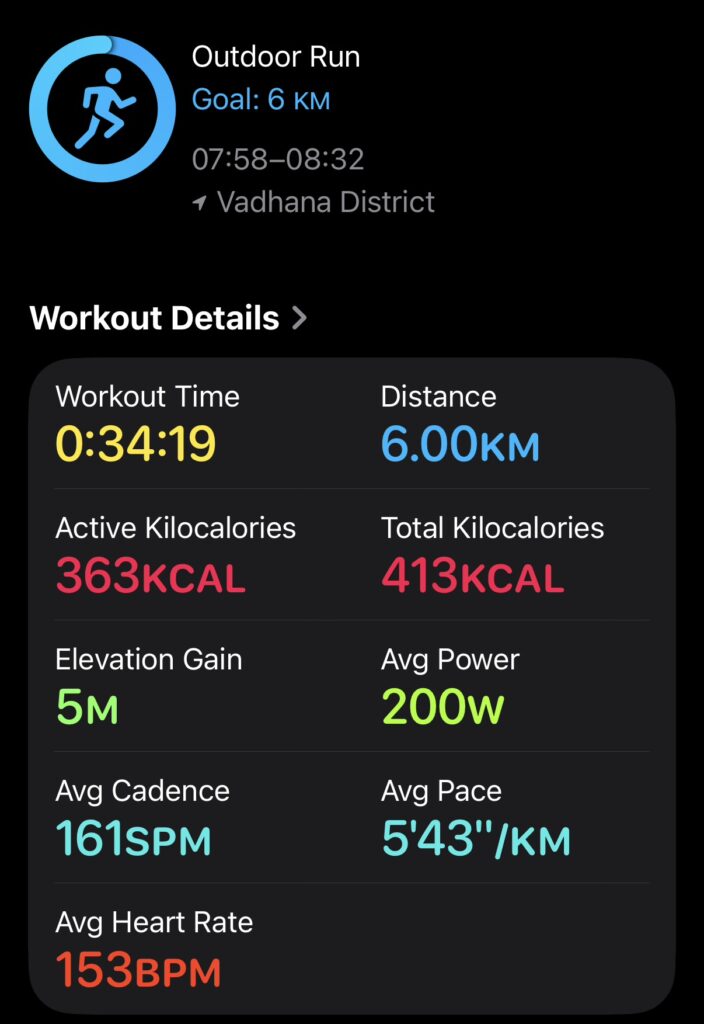

I kept Thursdays for hard running, like before, so as not to lose my VO2 max and lactate threshold and to provide the necessary stimulus for speed and strength.
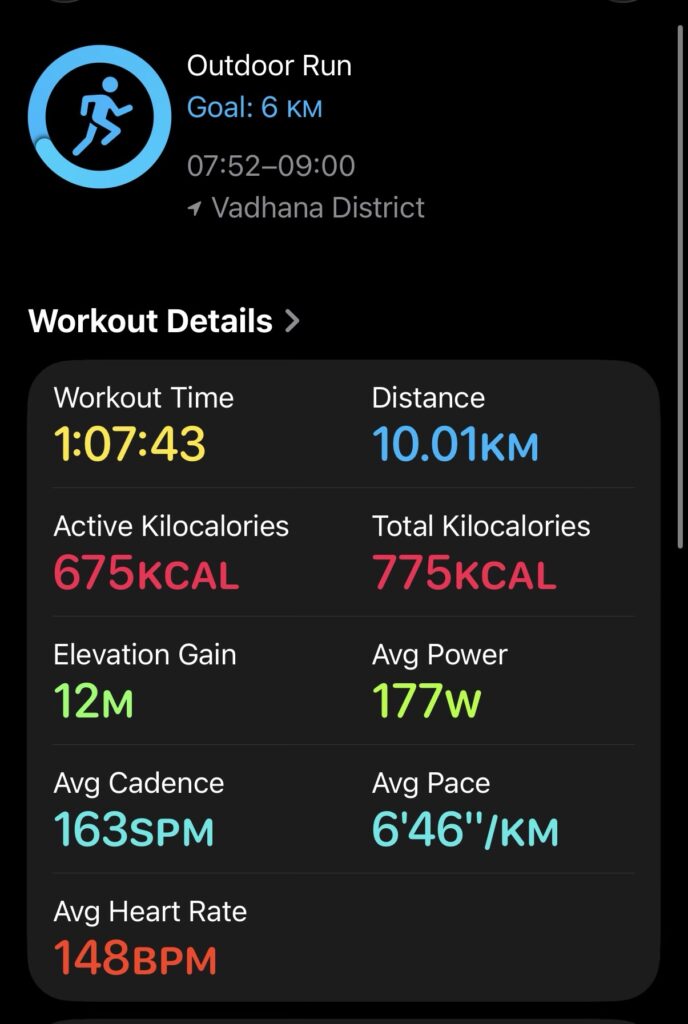
I changed my Sunday runs to a 10k, every week with no HR zone constraints; instead maintained a pace that is most “fun”.
Changes I noticed
Below are the changes I noticed after 1 month running with my new schedule, both short-term and mid-term.
Short-Term changes
- I was enjoying my runs much more compared to before. I could look around, smile at dogs instead of just struggling to complete my laps. I looked forward to my runs much more
- I felt like I have unlimited range now. The amount of fatigue didn’t build up appreciably with each lap and I felt more or less the same at the end of the run, just more sweaty.
- After the run, I felt like I didn’t run hard enough, the satisfaction went down by a huge margin.
- I was more conscious of my running gait.
- Instead of being dependant on familiar landmarks for my intervals, I could track my heart rate instead, so I could take new/unfamiliar routes now.
Mid-Term changes (4 weeks)
Let’s track some metrics over 4 weeks.
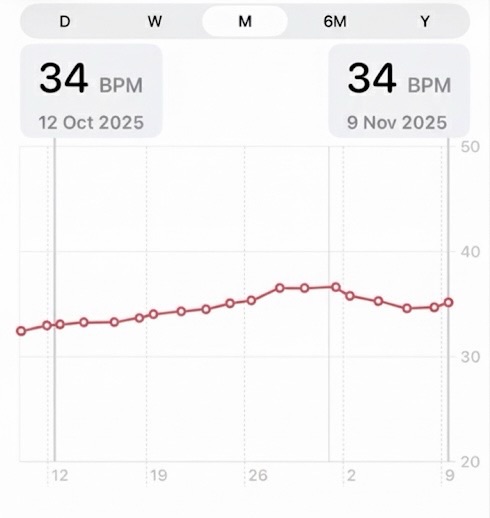
There was absolutely no change to my Heart Rate Recovery.
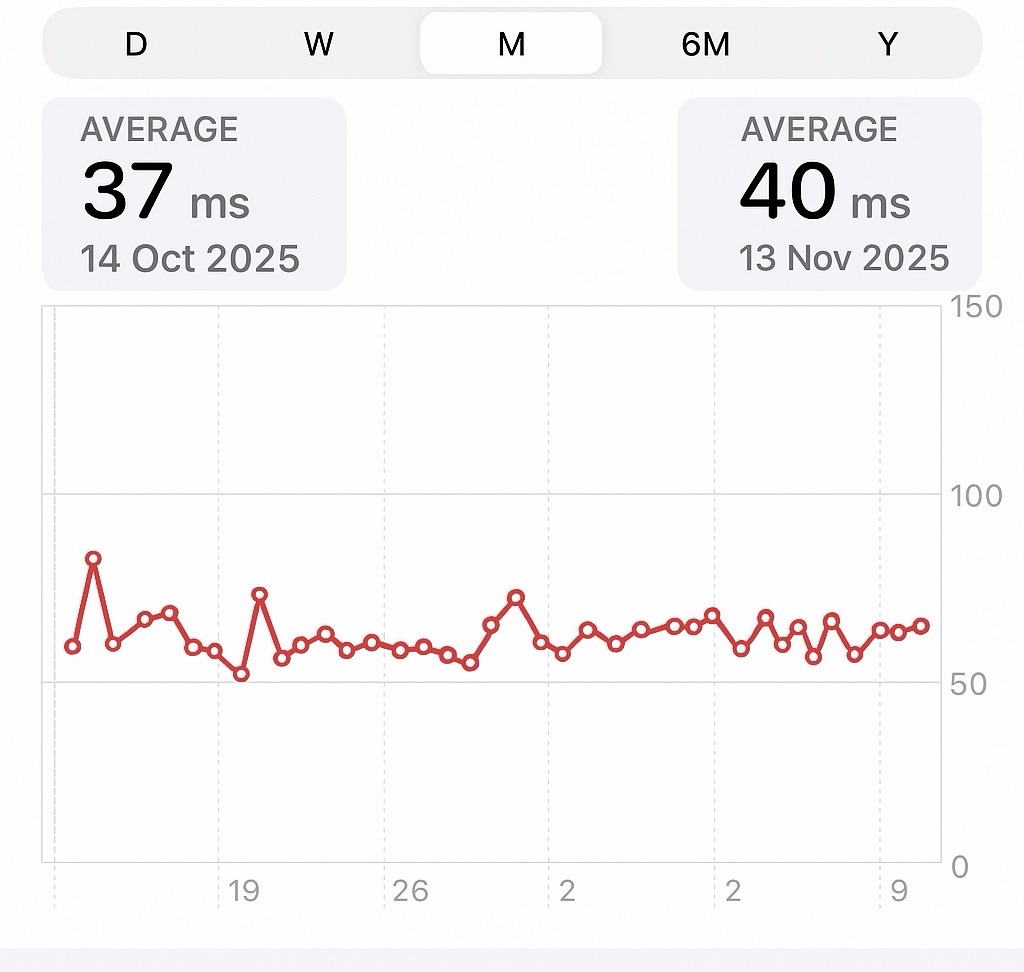
No change to my Heart Rate Variability, either.
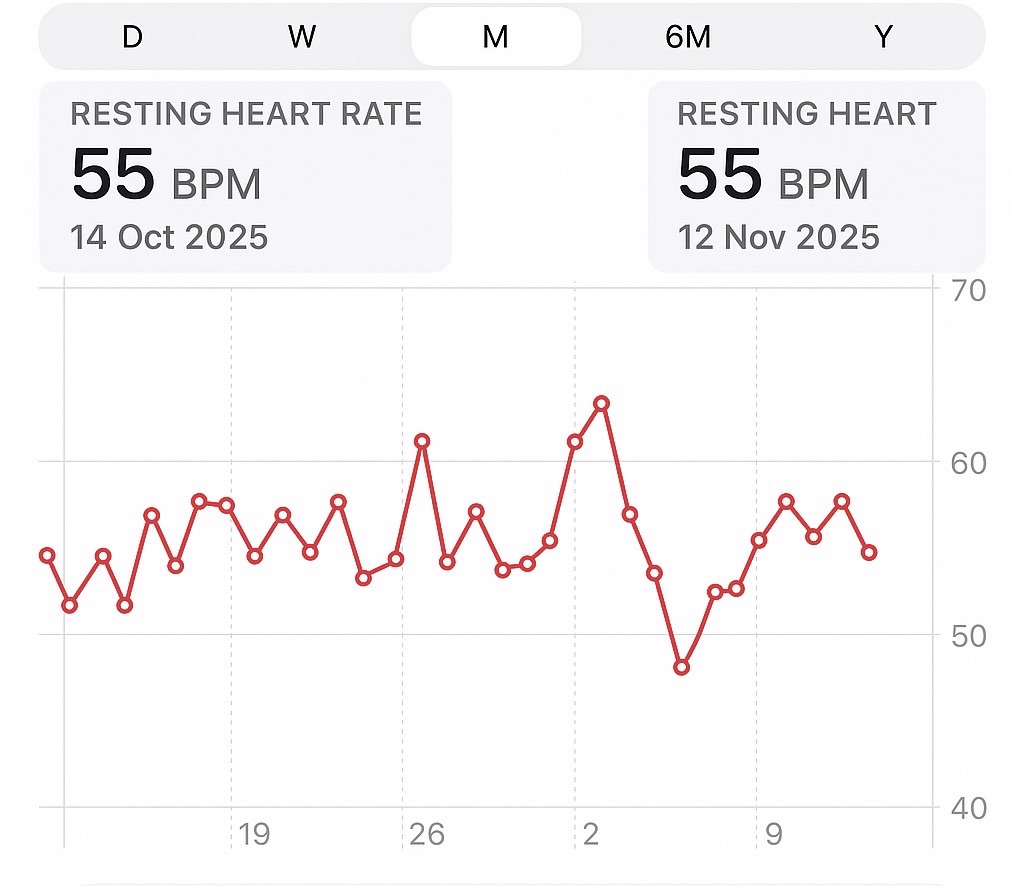
I was especially disappointed that my Resting Heart Rate didn’t change at all.
What broke the camel’s back was that my VO2 max absolutely tanked in these 4 weeks. 6 months of progress erased in a month, after being so close to hitting 60.
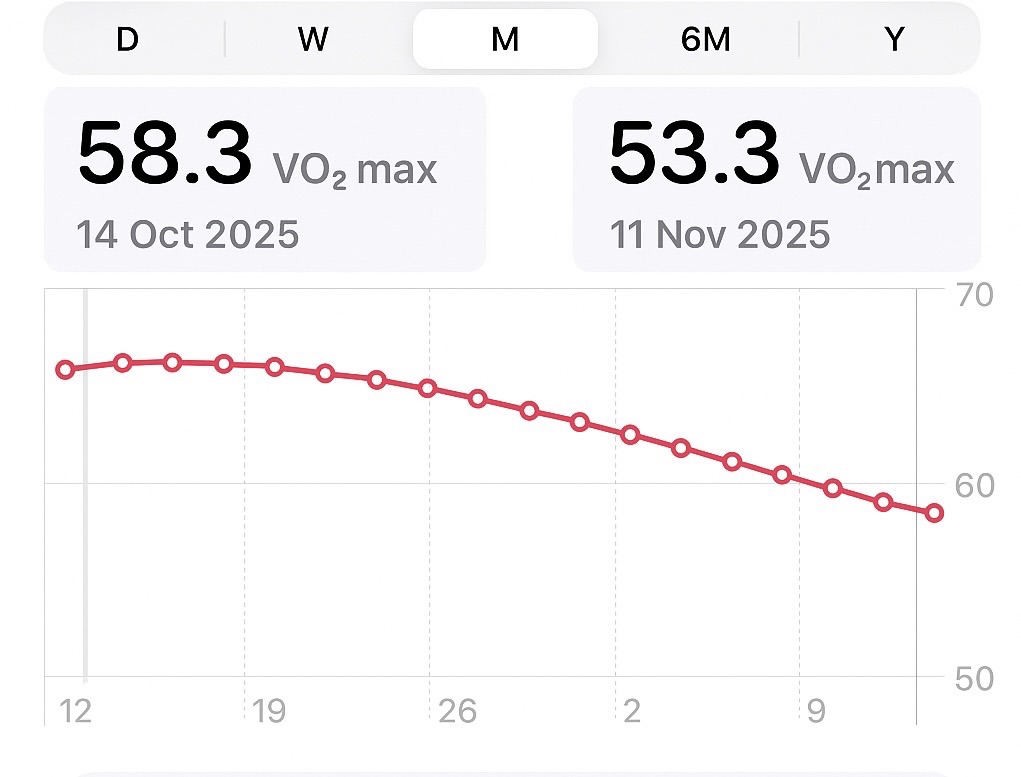
I couldn’t take it & decided to go back to my old running schedule. As expected, my VO2 max started to recover.
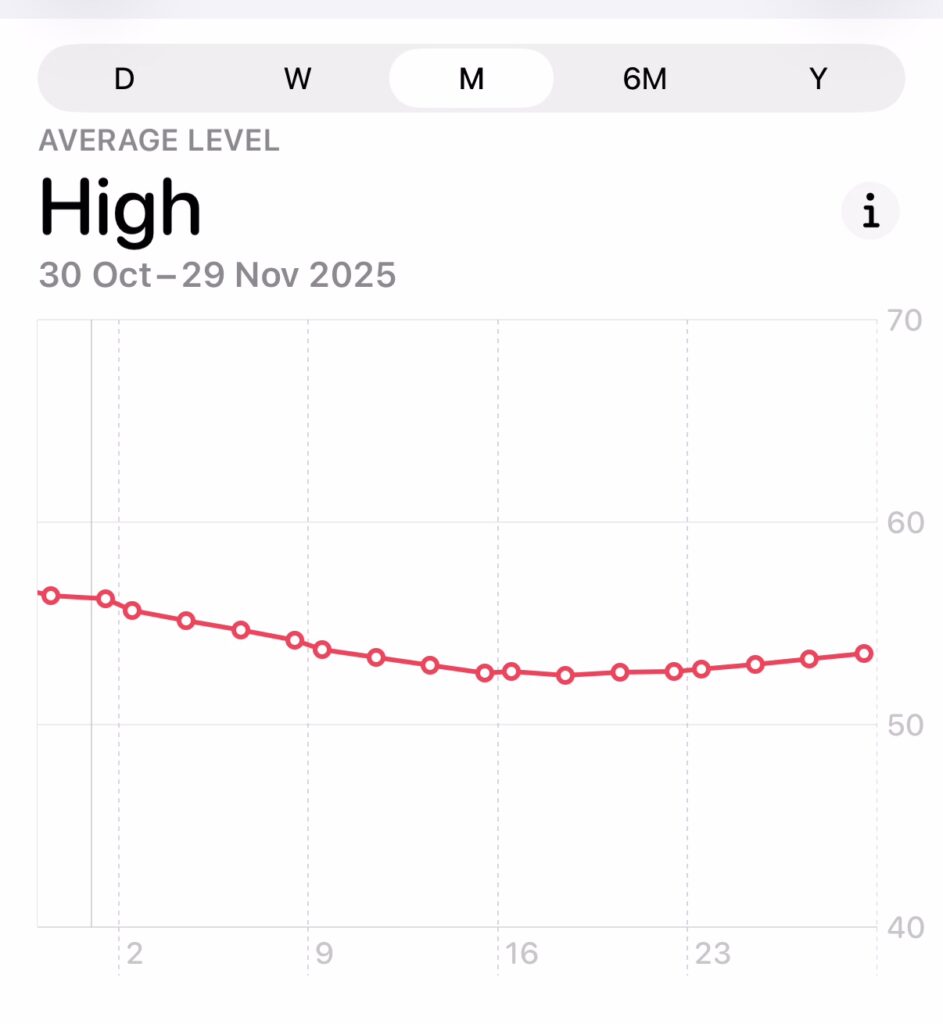
Never again!